ROI RETURN ON INVESTMENT IN HEALTHCARE

When a single investment decision could save 100 lives, mastering healthcare ROI isn't just good business- it's an ethical imperative.
One medical well-crafted solutions and a true partnership that is based on evidence-based approaches and years of real industry experience. Our actions are informed, our north-star is humanity, our work is excellent, and our people are awesome.
We Turn Ideas Into Reality We build Big Ideas. For Real People. Real Lives.
We are on a mission to transform health technology and impact lives at scale, and our R&D team is always exploring innovation solutions that partners can join.
Collaborative Partnerships
We are committed to long-term partnership and tailored, evidence-based solutions. We offer decades of experience navigating the complexities of the healthcare industry.
Data Solutions
We harness health data in a secure and standardized manner, encouraging data-driven innovation, collaboration, and treatment.
Maximizing Healthcare Return On Investment (ROI)
The Headline Numbers Are Compelling — and Consequential
Start with the macro case. The returns documented across healthcare AI investments are not marginal. They are structural shifts in operational economics.
- $3.20 — average ROI on AI in healthcare for every $1 invested, with returns typically realized within 14 months
- 147% — average ROI achieved within three years by healthcare organizations that integrate advanced analytics
- 45% — of healthcare organizations using generative AI achieved measurable ROI within 12 months12 months
Advanced smart healthcare design yields an average AI and digital health ROI of 147% to 734%, often with payback periods of under 14 months. This return goes far beyond traditional financial metrics, heavily balancing clinical quality, operational efficiency, and staff retention to drive profitability
WHY HEALTHCARE BUSINESSES CONTINUE TO ATTRACT BUYERS IN 2026
Healthcare spending in the United States continues to rise due to several long-term trends. An aging population, increasing rates of chronic disease, expanded outpatient care, and growing demand for specialized medical services are creating opportunities across multiple healthcare sectors.
Unlike many industries that fluctuate with consumer spending, healthcare services remain essential. Patients require ongoing treatment regardless of market conditions, creating more predictable revenue for many providers.
- Growing demand for outpatient and community-based care
- Increased adoption of value-based healthcare models
- Continued consolidation among physician practices and specialty providers
- Expansion of home health and behavioral health services
- Strong interest from private equity and strategic healthcare buyers
Healthcare Real Estate Market
Size, by Property, 2023 - 2033 (USD Trillion)
Market Size (USD Trillion)
3.0
2.4
1.8
1.2
0.6
0.0
Hospitals
Senior Living & Retirement Communities
Medical Office Buildings (MOBs)
Long-Term Care & Specialty Care Centers
Medical Centers
Others
Bain & Bessemer 2026 Scorecard Reveals Healthcare AI Delivers 3.5x ROI in 12 Months
Payback Speed Has Exposed Systematic Underinvestment: Nearly every enterprise healthcare AI budget approved between 2024 and 2025 assumed a 24-month payback window. Because actual returns landed in roughly 12 months—exceeding expectations in approximately 40% of use cases—organizations continuing to model two-year paybacks are materially underinvesting relative to their own realized financial performance.
AI ROI IN HEALTHCARE: WHAT LEADERS NEED TO KNOW
AI ROI in healthcare averages 150% across all deployment types, but the variance is extreme — administrative AI delivers 200-400% ROI within 12 months while clinical AI may take 24-36 months to break even and then generate compounding returns over a decade.
Purchasing or upgrading medical software, electronic health record (EHR) charts, or clinical automation systems typically yields an ROI ranging from 300% to 700% (3x to 7x return) or higher depending on labor savings and reduced billing errors. Medical center charts (such as Electronic Health Record/EHR systems, patient charts, or chart management software) typically yield an ROI of 150% to over 300% (or a 2.5x to 4x return) over a multi-year horizon, depending on how they reduce labor hours, prevent missed appointments, and streamline billing.
3.5x
Average AI ROI
For every $1 invested within 12 months
300% - 700%
Software & EHR Upgrade ROI
Driven by labor savings & reduced billing errors
150% - 300%
Medical Center Charts ROI
Streamlining workflow over multi-year horizon

ROI RETURN ON INVESTMENT
Maximize Your ROI With Healthcare Technology
Healthcare organizations face numerous challenges, such as staff shortages, outdated intake practices, and reimbursement claims. These factors can impact your facility’s reputation and profitability, which is why focusing on solutions to address these obstacles is vital. Healthcare technology is one of the solutions more practices are using to address these challenges. Here are five types of healthcare tech you can use to maximize ROI:
Telemedicine
Insurance Verification Software
AI for Patient Engagement
Cloud-Based Software
Digital Mobile Payments
Connected Health
IMARI TECHNOLOGY CENTER WITH CONNECTED HEALTHCARE WILL REDUCE EMPLOYEE ABSENTEEISM AND BOOST PRODUCTIVITY
Better Health Outcomes
BETTER HEALTH AND BETTER COSTS
When done right, collaboration between healthcare tech and institution for healthcare centers will provide medical breakthroughs, stimulate economic growth and high return on investment. Our end of 2027 opening of The Egypt-African innovation healthcare center IMARI — not only ignites collaboration, it also serves as a blueprint for healthcare transformation.
Lower Overall Costs
IMARI integrated healthcare center will lead to lower overall costs for patients. By coordinating care and avoiding unnecessary tests and procedures, patients in integrated healthcare plans can save money on medical expenses. In addition, integrated healthcare plans can help to reduce the cost of healthcare for the entire system, which benefits patients, employers, and insurers.
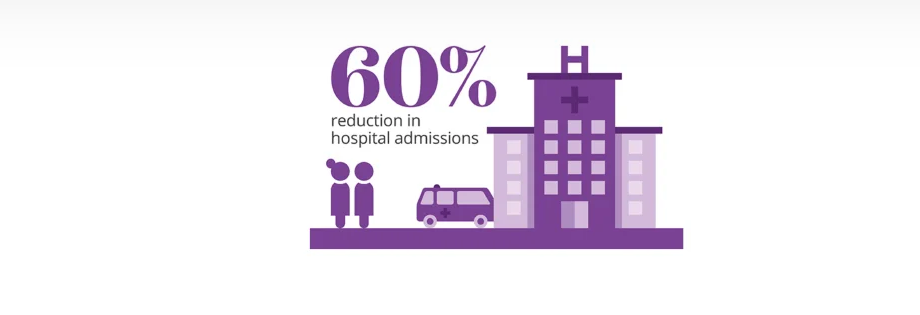
Using Imari - Center Connected Health Care Center Will save Up To 60% Of Hospital Admissions
We Building Our Healthcare Center to provide
01
Smart HVAC
We introduce the electricity consumption by 45%
02
Smart Lighting
We reduce the electricity consumption by 60%
03
Smart Plugloads
We reduce the electricity consumption by 50%
04
Air Pollution
We will reduce the air pollution by 95%
05
Healthcare Infection (HAI)
We will reduce the healthcare infection by 99%